Understanding Pre-Engineered Buildings
In the modern construction landscape, pre-engineered buildings (PEBs) have emerged as a pivotal solution for various sectors seeking efficiency, cost-effectiveness, and quality. These innovative structures are not merely constructed on-site; they are meticulously designed and crafted in controlled factory settings, ensuring precision and consistency. As industries evolve, the demand for tailored, flexible building solutions has surged, making PEBs a favored choice for projects ranging from industrial warehouses to sports complexes.
What Are Pre-Engineered Buildings?
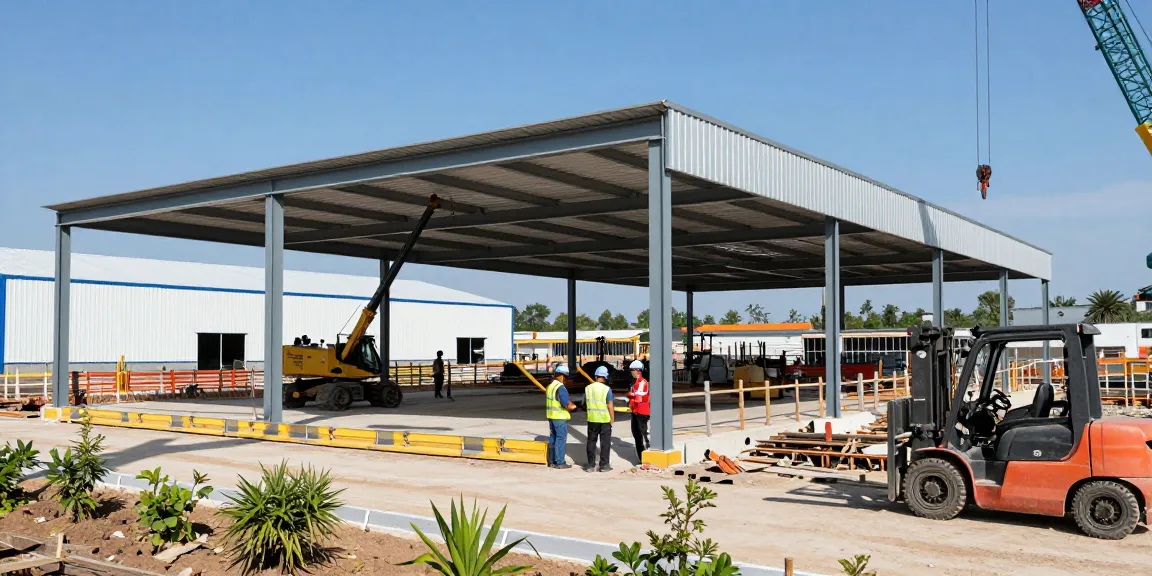
Pre-engineered buildings are steel structures that are pre-fabricated in a manufacturing facility and assembled on-site. This process involves the design, fabrication, and delivery of building components such as beams, columns, and panels. Each section is tailored to meet specific client needs, allowing for rapid assembly and reduced site construction time. The integration of advanced technology and engineering practices results in a final product that is not only robust but also highly customizable.
Benefits of Choosing Pre-Engineered Structures
- Cost-Effectiveness: The streamlined production process reduces labor costs and construction time, leading to significant savings.
- Design Flexibility: PEBs can be tailored to fit specific requirements, offering various architectural styles and layout options.
- Durability: Made from high-quality materials, these structures are designed to withstand adverse weather conditions and provide long-term reliability.
- Quick Assembly: The off-site fabrication allows for quicker on-site assembly, minimizing construction delays.
- Sustainability: PEBs utilize fewer materials than traditional building methods, leading to reduced waste and a lower environmental impact.
Differences Between Conventional and Pre-Engineered Buildings
Traditional buildings generally rely on on-site construction methods, which can result in delays, higher labor costs, and inconsistencies in quality. In contrast, pre-engineered buildings offer a more systematic approach where major components are designed and manufactured beforehand. This not only enhances quality control but also contributes significantly to reducing the overall construction timeline.
Industries Benefiting from DP Consteel Solutions
DP Consteel provides innovative pre-engineered building solutions that cater to a diverse range of industries. From industrial operations to leisure and sports facilities, the adaptability of PEBs allows for effective implementation across multiple sectors. When exploring options, dpconsteel.in provides comprehensive insights into tailored solutions designed to meet specific industry requirements.
Industrial Sectors Adopting Pre-Engineered Buildings
Various industrial sectors are increasingly adopting pre-engineered buildings due to their efficiency and versatility. Key sectors include:
- Manufacturing: Factories are utilizing PEBs for production facilities due to their spaciousness and adaptability.
- Warehousing: The logistics industry benefits from customizable PEBs that allow for high storage solutions with easy accessibility.
- Agriculture: Cold storage facilities for agricultural products are often constructed as PEBs, providing controlled environments for perishable goods.
Case Studies: Success Stories from Various Industries
DP Consteel has completed numerous successful projects that illustrate the effectiveness of pre-engineered buildings. For instance, the Eco Green Foil Pvt. Ltd. project showcased how PEBs can facilitate rapid expansion for manufacturers looking to increase output without extensive downtime.
Tailored Solutions for Specific Industry Needs
Every industry has unique requirements, and DP Consteel excels in delivering tailored pre-engineered building solutions. Specialized designs can be developed for sectors such as healthcare, education, and sports, ensuring that each facility meets specific operational demands.
Cost-Effectiveness and Efficiency
The cost advantages of pre-engineered buildings make them an appealing option for businesses looking to expand or establish new facilities. Analyzing the financial implications reveals substantial savings in construction costs and timelines.
Analyzing the Cost Savings of Pre-Engineered Buildings
When evaluating the total cost of ownership, PEBs often demonstrate lower initial investments and operating costs. Savings can stem from various factors, including shorter construction durations, lower labor costs, and reduced material waste.
Time Efficiency in Construction Projects
Time is a crucial factor in any construction project. With pre-engineered buildings, projects can be completed faster due to the modular approach. Components are typically manufactured off-site while site preparations are underway, allowing for a more synchronized construction process.
Measuring Return on Investment with DP Consteel
Investing in pre-engineered buildings can yield significant returns over time. Companies that have adopted PEB solutions often report enhanced operational efficiency, reduced maintenance costs, and increased flexibility to adapt to changing business needs.
Innovative Technologies in Construction
DP Consteel leverages state-of-the-art technologies to enhance the benefits of pre-engineered buildings. The latest advancements in construction technology play a pivotal role in optimizing building processes and improving performance.
Latest Trends in Pre-Engineered Building Technology
Emerging trends such as the integration of Building Information Modeling (BIM) and automated machinery in manufacturing processes are revolutionizing the construction landscape. These innovations not only improve efficiency but also enhance accuracy in design and construction.
Impact of Automation on Building Efficiency
Automation in the production of pre-engineered buildings has significantly increased precision and reduced human error. This technology enables faster manufacturing and consistent quality, ensuring that each building meets rigorous standards.
Environmental Considerations and Sustainability Practices
As sustainability becomes increasingly important in the construction industry, DP Consteel is committed to eco-friendly practices. PEBs typically require fewer resources and energy to produce, making them a greener choice compared to traditional building methods.
Future of Construction with DP Consteel
Looking ahead, the construction industry is poised for transformation. The future is likely to see an even greater emphasis on pre-engineered buildings as industries continue to embrace efficient and sustainable solutions.
Emerging Trends in the Steel Construction Industry
As the steel construction industry evolves, trends such as modular construction, smart buildings, and increased use of recycled materials are becoming more prevalent. These trends align with the growing demand for flexibility and sustainability in construction.
Predictions for Pre-Engineered Buildings by 2026
By 2026, it is anticipated that pre-engineered buildings will dominate various sectors, supported by advancements in materials technology and construction methodologies. The integration of renewable energy solutions within these structures will likely enhance their sustainability profile.
How DP Consteel is Leading the Way
DP Consteel is at the forefront of the pre-engineered building revolution, continually adapting to the latest technologies and market demands. Their commitment to quality and innovation positions them as a leader in the industry, ready to support the diverse needs of their clients.
FAQs
What are the key advantages of choosing pre-engineered buildings?
The primary advantages include reduced construction time, cost savings, design versatility, and environmental sustainability. Pre-engineered buildings are designed for quick assembly and adaptability, making them ideal for various applications.
How does DP Consteel ensure quality in their buildings?
Quality is maintained through rigorous engineering practices, strict quality control processes, and the use of high-grade materials in the construction of pre-engineered buildings.
What industries can benefit from DP Consteel’s solutions?
DP Consteel caters to a multitude of industries, including manufacturing, logistics, agriculture, healthcare, and education, providing tailored solutions that meet specific operational needs.
How can I get a quote for my construction project?
Interested clients can contact DP Consteel directly through their website to get a detailed quote tailored to their project specifications.
Are pre-engineered buildings more environmentally friendly?
Yes, pre-engineered buildings typically consume fewer resources than traditional construction methods, producing less waste and incorporating sustainable practices that align with modern environmental standards.