Understanding 24hr Emergency Repairs
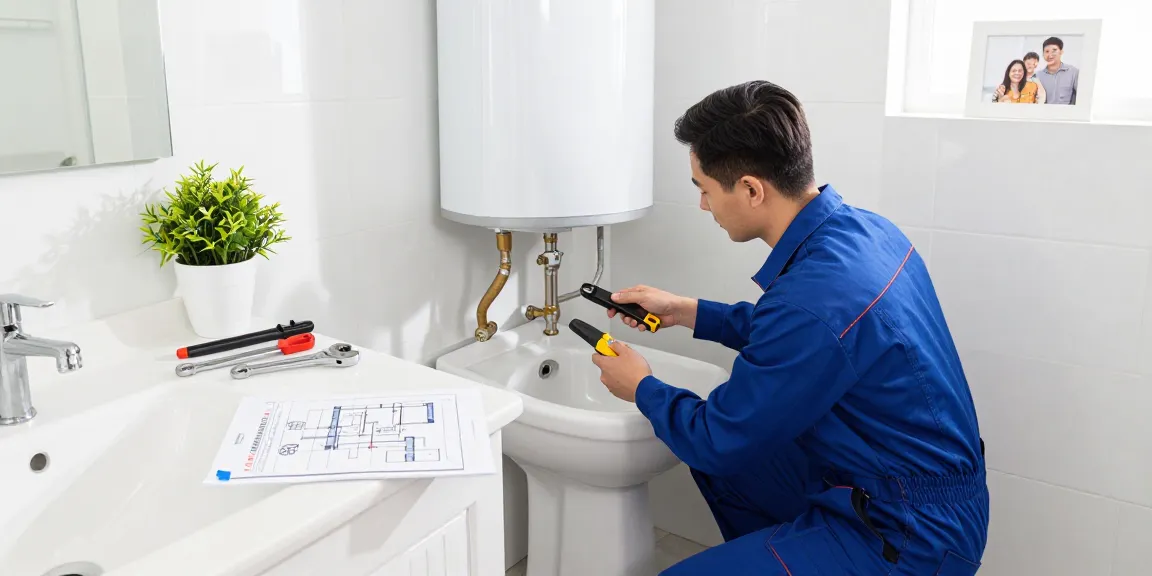
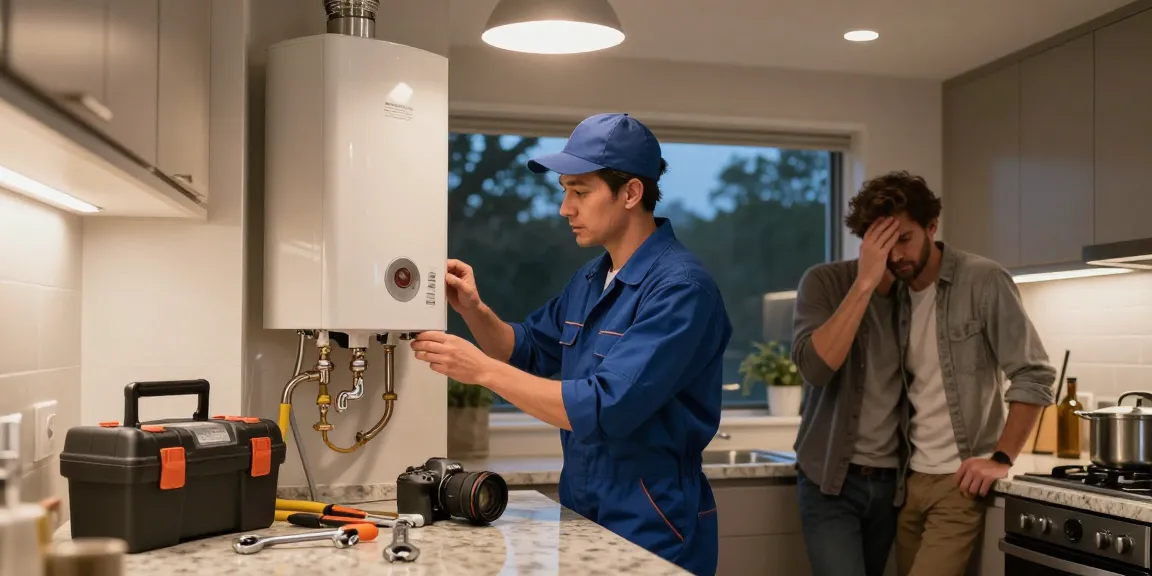
When an emergency strikes, whether it’s a burst pipe, a malfunctioning heater, or an electrical failure, the urgency for a solution can be overwhelming. 24hr emergency repairs are essential services that can prevent further damage to your home and restore comfort and safety. Understanding what constitutes an emergency repair and the importance of timely responses are crucial for homeowners to navigate these stressful situations effectively.
What Constitutes an Emergency Repair?
An emergency repair typically involves issues that pose immediate risks to health, safety, or property. Situations like severe leaks, electrical outages, gas leaks, or structural damage should be prioritized. The distinction between a routine repair and an emergency repair is vital, as not every repair that feels urgent qualifies for immediate attention. Homeowners should assess the situation and determine whether the repair can wait for regular business hours or requires instant action.
The Importance of Timely Responses in Home Repairs
Timely repairs can significantly mitigate damage and associated costs. Delaying a response to an emergency repair can lead to complicated issues including mold growth, structural integrity problems, or even safety hazards that may result in injuries. The faster you are able to act, the less disruption you’ll face, allowing you to maintain the comfort and safety of your living environment.
Common Types of Emergency Repairs
- Plumbing Emergencies: Burst pipes and severe leaks can lead to flooding, necessitating immediate repair.
- Electrical Failures: Power outages or exposed wiring can pose serious safety risks and require urgent attention.
- Heating and Cooling Issues: Problems with your HVAC system can affect your home’s temperature, especially during extreme weather conditions.
- Structural Damage: Issues such as roof leaks or compromised walls can worsen over time and need to be addressed immediately.
The Challenges of Finding Reliable Services
Navigating the landscape of emergency repair services can be daunting, especially when urgency clouds judgment. The pressure to find a solution quickly may lead to selecting a provider without proper research, which can increase the risks of further complications.
How to Identify Trustworthy Emergency Repair Providers
When searching for reliable repair services, homeowners should look for providers with solid reputations. Check for customer reviews, ask for recommendations from friends and family, and ensure the company holds necessary licenses and insurance. Transparency about pricing and services offered is also a good indicator of a reputable provider.
Common Pitfalls Homeowners Face During Emergencies
In the rush to resolve an emergency, homeowners may fall victim to scams or hire inadequately trained professionals. It’s imperative to take a moment to verify information about the provider, such as checking their certifications and understanding their service guarantees.
How to Verify Credentials of Repair Professionals
Before hiring a technician, confirm their qualifications. Ask for proof of licensing and insurance, check online reviews, and verify their track record in handling the specific type of repair needed. A professional who is willing to provide this information demonstrates credibility and care for their customers.
Best Practices for Handling Emergencies
Being prepared for emergencies is vital for every homeowner. Developing a proactive approach can save time, money, and stress when crises occur.
Step-by-Step Guide to Managing a Home Emergency
- Assess the situation: Identify the issue and the potential risks involved.
- Shut off utilities if necessary: For plumbing or electrical issues, turning off the supply may be essential for safety.
- Document the problem: Take photos and make notes for the repair technician.
- Contact a professional: Find a trustworthy provider and describe the situation clearly.
- Follow up: Ensure the issue is resolved and take preventive measures for the future.
Essential Tools and Supplies for Homeowners
Having a basic emergency toolkit can be invaluable. Supplies such as a flashlight, pliers, a wrench, duct tape, and a first aid kit can provide immediate assistance until a professional arrives. Familiarity with these tools can also help you manage small repairs without stress.
How to Communicate Effectively with Emergency Technicians
Clear communication with repair technicians is crucial. Provide them with all necessary information about the issue, including any symptoms, duration, and your previous attempts at a fix. This will enable them to diagnose and resolve the problem more efficiently.
Cost Considerations for 24hr Emergency Repairs
While emergency repairs can be costly, understanding average costs and preparing for unforeseen expenses can alleviate financial stress.
Understanding Average Costs for Emergency Services
The cost of emergency repairs varies depending on the type of service required. On average, homeowners might expect to pay anywhere from $150 to $500 for basic services, but more complex issues can escalate costs significantly. Always ask for estimates upfront to avoid surprises.
How to Prepare for Unforeseen Repair Expenses
Establishing an emergency fund specifically for home repairs can help manage unexpected costs. Taking the time to budget for these services helps ensure that you can make necessary repairs without incurring debt.
Insurance Coverage for Emergency Repairs: What to Know
Homeowners should familiarize themselves with their insurance policies regarding emergency repairs. Many policies cover significant repairs, but coverage limits and deductibles vary. Understanding the specifics can improve preparedness for unexpected costs.
Future Trends in Emergency Repair Services
The landscape of emergency repairs is rapidly evolving, with technology playing a forefront role in how services are delivered.
Technological Advances in Emergency Repairs by 2026
In the coming years, advancements in technology will likely streamline repair processes. Smart home systems can alert homeowners about issues before they escalate, while remote diagnostics can facilitate faster response times. Virtual consultations may also become more prevalent, allowing technicians to assess situations remotely.
Predicted Changes in Home Repair Service Models
Business models may shift towards subscription services that include emergency repair coverage, providing peace of mind for homeowners. This proactive approach could minimize the financial impact of unforeseen repairs.
How to Stay Prepared for Future Emergencies
Staying informed about your home and its systems is one of the best preparedness strategies. Regular maintenance checks, updated contact information for reliable repair services, and an up-to-date emergency kit will serve you well in future scenarios.
What should I do first during an emergency repair?
Your first step should be to assess the situation, shut off utilities if necessary, and contact a professional to report the problem and get guidance.
How can I ensure my emergency repair is handled correctly?
Verify the credentials of the repair professional you choose and communicate the problem clearly so they can provide the best solution.
What qualifications should I look for in emergency repair services?
Check for licensing, insurance, customer reviews, and experience in handling similar types of repairs to ensure that you’re in good hands.
Are 24hr emergency repairs available in all areas?
Emergency repair services typically operate in most urban and suburban areas, but availability may vary based on local regulations or the specific providers in your vicinity.
What are common emergency repair myths?
Some myths include the idea that all repairs require immediate attention, or that DIY fixes are always sufficient. Understanding the reality of emergency repairs helps homeowners respond appropriately.