Understanding Cabinet Hinges
What are Cabinet Hinges?
Cabinet hinges are mechanical devices that connect two components, allowing for rotational movement, primarily on cabinet doors. They are crucial for the functionality of cabinets in kitchens, bathrooms, and various storage areas. Without quality hinges, the longevity and effectiveness of cabinet doors cannot be ensured. The significance of reliable hinges is magnified in high-traffic areas where durability is essential.
Types of Cabinet Hinges
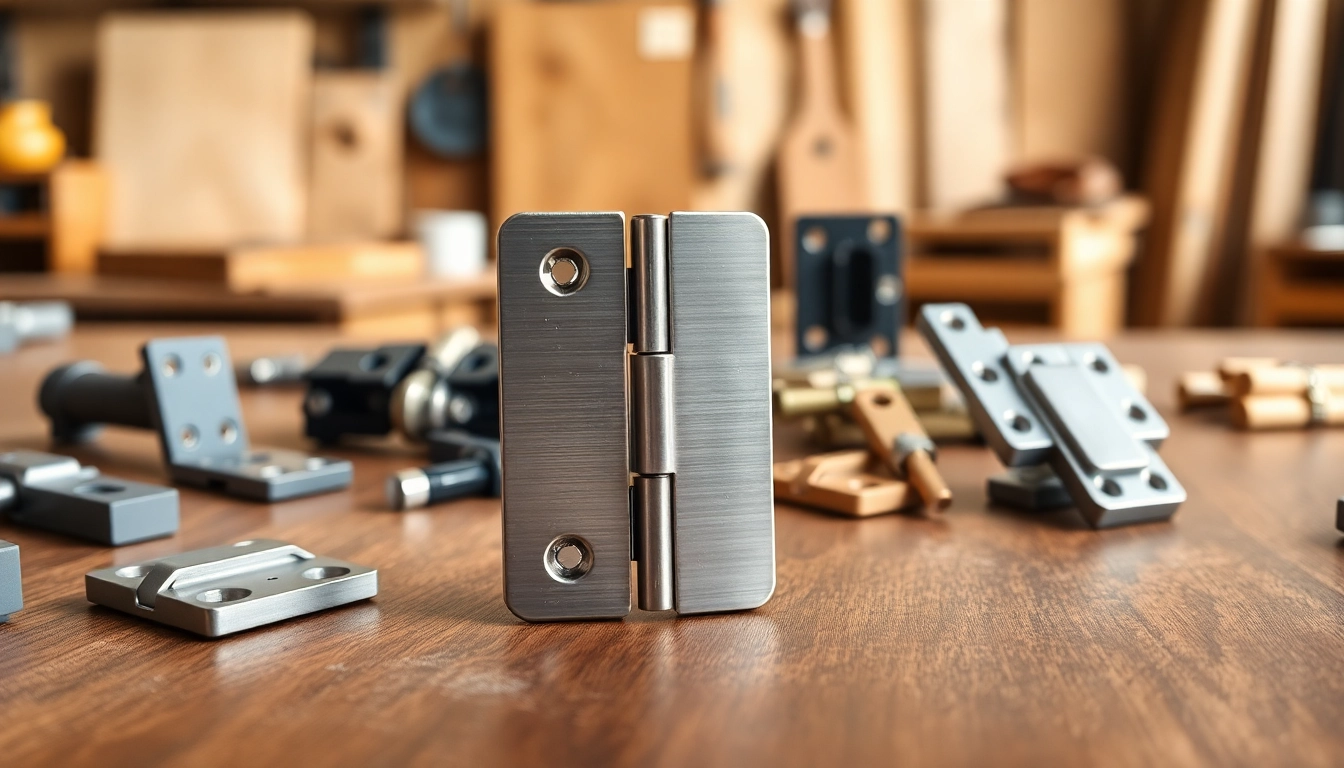
Cabinet hinges come in various types, each serving different functions and aesthetic needs:
- Concealed Hinges: These are hidden from view when the cabinet door is closed, providing a clean look.
- Surface-Mounted Hinges: Visible when the door is closed, these are often easier to install and adjust.
- European Hinges: A type of concealed hinge that allows for adjustable depth and side movement, ideal for modern cabinets.
- Continuous Hinges: Also known as piano hinges, they run the entire length of the door, offering enhanced support and stability.
- Corner Hinges: Designed for corner cabinets, these allow the door to open fully without obstructing adjacent doors.
Importance of Quality in Cabinet Hinges
The quality of cabinet hinges significantly impacts their performance and lifespan. High-quality hinges reduce the chances of sagging doors, noise, and misalignment. Reliable Cabinet Hinge Manufacturers typically offer products that withstand regular use over many years, ensuring that cabinet doors operate smoothly and maintain their aesthetic appeal.
Choosing the Right Hinge
Factors to Consider When Buying Cabinet Hinges
Choosing the right cabinet hinge involves several critical factors:
- Style: Consider the cabinet design; modern and traditional styles may require different hinges.
- Weight Capacity: Ensure the hinge can support the weight of the cabinet door; heavier doors need sturdier, more robust hinges.
- Adjustability: Look for hinges that offer fine-tuning for alignment and leveling adjustments post-installation.
- Material: Durable materials, like stainless steel, resist wear and corrosion, enhancing longevity.
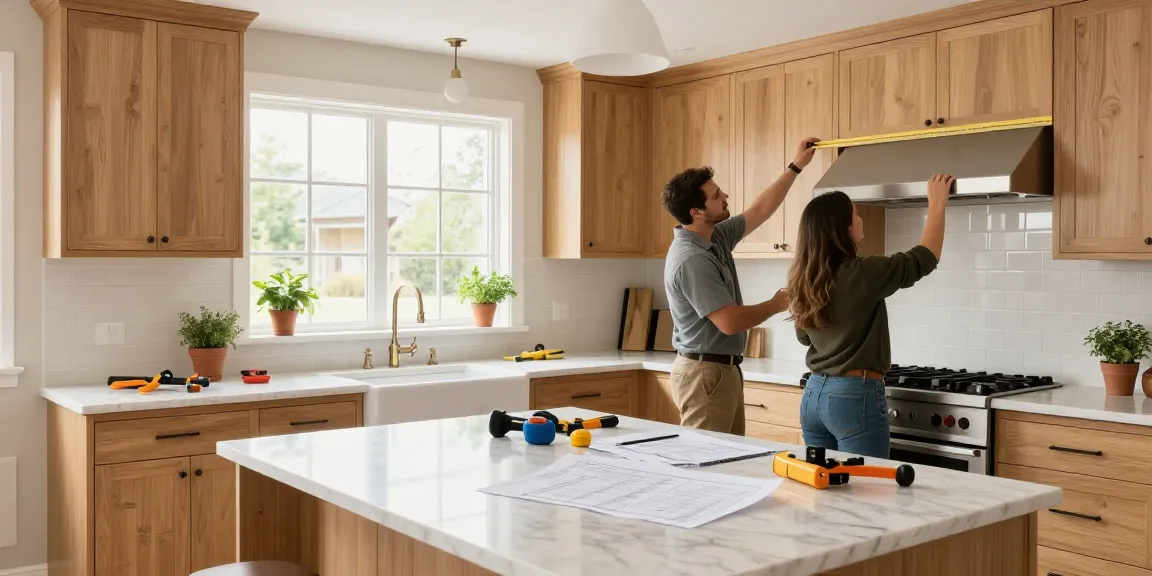
How to Measure for the Perfect Hinge
Accurate measurements are crucial for selecting the perfect hinge:
- Measure the door thickness, as this affects the hinge size.
- Record the width of the door to align with the hinge type.
- Determine the overlay, which is how much the cabinet front is visible when the door is closed.
- Consider the distance from the top of the cabinet to where the hinge will be placed.
Understanding Weight and Size Specifications
Weight and size specifications are vital in ensuring that the hinges can handle the demands placed on them. Standard hinges usually support weights between 10-20 pounds, but heavier doors may require specialty hinges rated for higher loads. Always check the manufacturer’s specifications before finalizing your purchase.
Installation Tips from Cabinet Hinge Manufacturers
Essential Tools for Hinge Installation
Installing cabinet hinges correctly requires the right tools:
- Screwdriver: Usually, a Phillips head is needed for most hinges.
- Drill: For precise and secure pilot holes.
- Measuring Tape: To ensure accurate measurements.
- Level: To ensure the door hangs straight.
- Clamps: To hold components in place during installation.
Step-by-Step Installation Process
Follow these steps for a successful hinge installation:
- Start by measuring and marking the spots on the cabinet where the hinges will go.
- Drill pilot holes to avoid splitting the wood.
- Attach one part of the hinge to the cabinet frame.
- Attach the second part of the hinge to the cabinet door.
- Use the level to adjust the door and secure all screws firmly.
Common Mistakes to Avoid
Many novice installers run into common pitfalls, including:
- Improper measurements leading to misalignment.
- Neglecting to pilot drill holes, which can cause wood splitting.
- Forgetting to pre-install test fittings before finalizing hinge placement.
Maintenance and Care for Longevity
Cleaning and Upkeep Tips
To keep cabinet hinges functioning properly, regular cleaning is recommended. Dust and grease can accumulate, leading to noise and decreased performance:
- Wipe hinges with a damp cloth to remove dust.
- Use a mild detergent for stubborn residues.
- Lubricate with silicone spray or graphite to enhance smooth functioning.
Recognizing Wear and Tear in Hinges
Monitoring hinges for wear and tear is essential for making timely replacements. Look for:
- Rust or severe discoloration.
- Squeaks or grinding sounds during operation.
- Doors not closing properly or sagging.
When to Replace Your Cabinet Hinges
Hinges should be replaced if they show signs of significant corrosion, cannot hold the weight of the door properly, or if you notice uneven gaps when the door is closed. Regular inspections will lead to proactive maintenance and extended cabinet life.
FAQs About Cabinet Hinges
What is the lifespan of a cabinet hinge?
Most cabinet hinges typically last for 10 to 20 years, depending on their quality and usage.
How do I choose a hinge for heavy cabinets?
Choose hinges rated for heavy-duty use, and ensure they are sized appropriately for the cabinet’s weight.
Are concealed hinges better than surface-mounted ones?
Concealed hinges offer a cleaner look and hidden functionality, while surface-mounted hinges provide greater visibility and easier replacements.
Can cabinet hinges be painted?
Yes, cabinet hinges can be painted, but proper prep work is essential for a smooth finish and adhesion.
What should I do if my cabinet doors won’t close properly?
Check hinge alignment, tighten screws, and ensure that there is no obstruction preventing the doors from closing.